
22 Aug Radda vs. Trentino Wine Geology: Rock in the Glass at Radda nel Bicchiere 2026
A liquid secret lies hidden beneath our feet
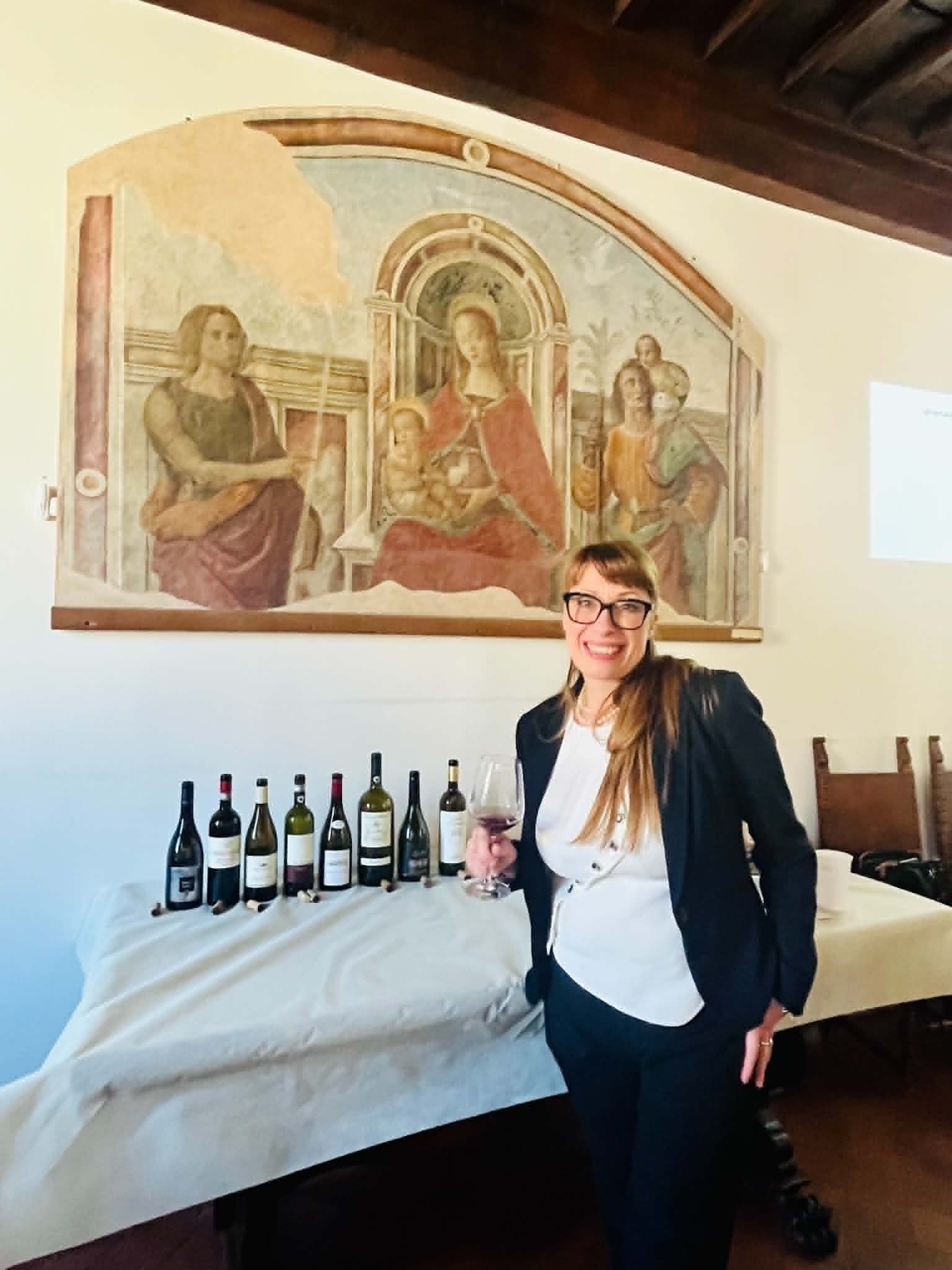
Let’s be honest: my initial instinct when preparing for the Radda nel Bicchiere event, was to say no. “I’ll talk about everything except
geology,” confessed Clizia Zuin—named Sommelier of the Year 2025 by *Gambero Rosso*—recalling the origins of the seminar held on Saturday,May 23, 2026.
Then came a timely, provocative nudge from a sommelier friend in London: “Are you crazy? If you go to Radda and don’t talk
about geology, what are you going to talk about?”
It took months of reflection to make sense of the stones and grasp a truth we often forget: geology isn’t just an academic device meant to
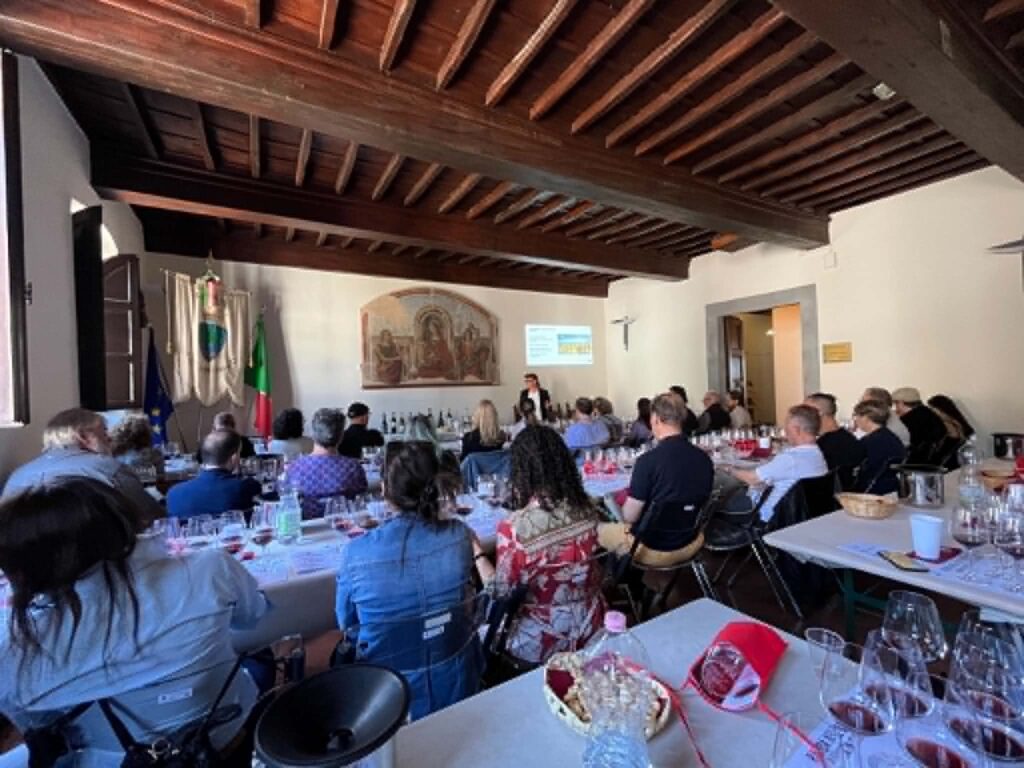
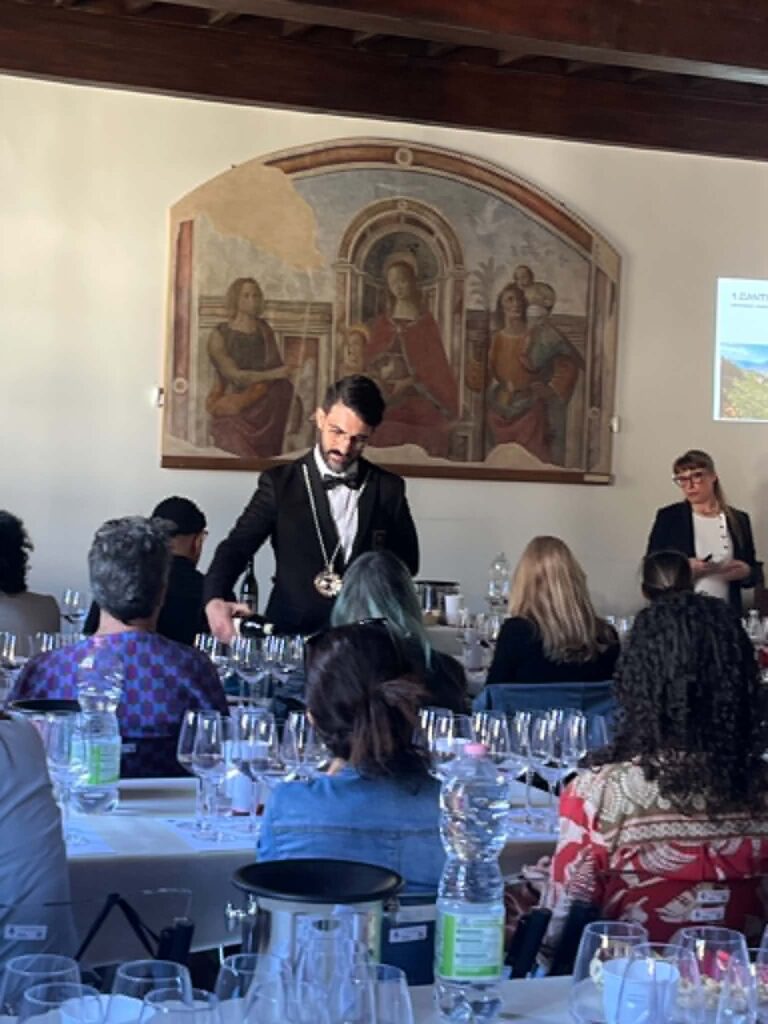
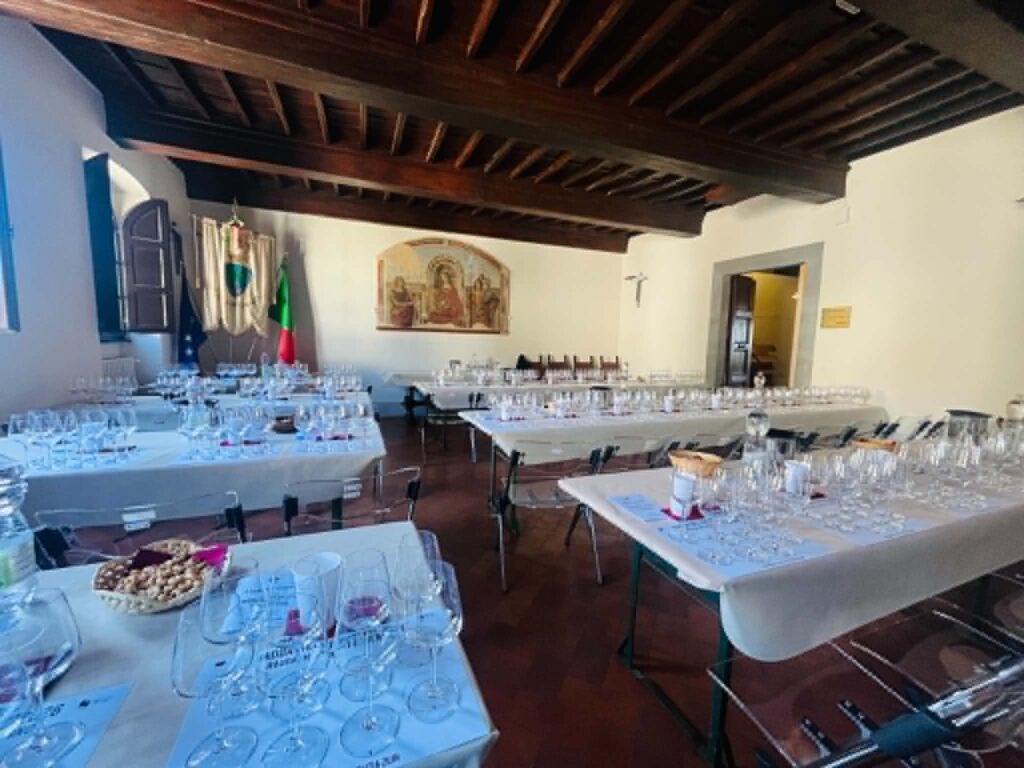
bore you. Geology is the keystone of what we hold in our glass. To make the experience truly immersive, the entire session in the Sala del
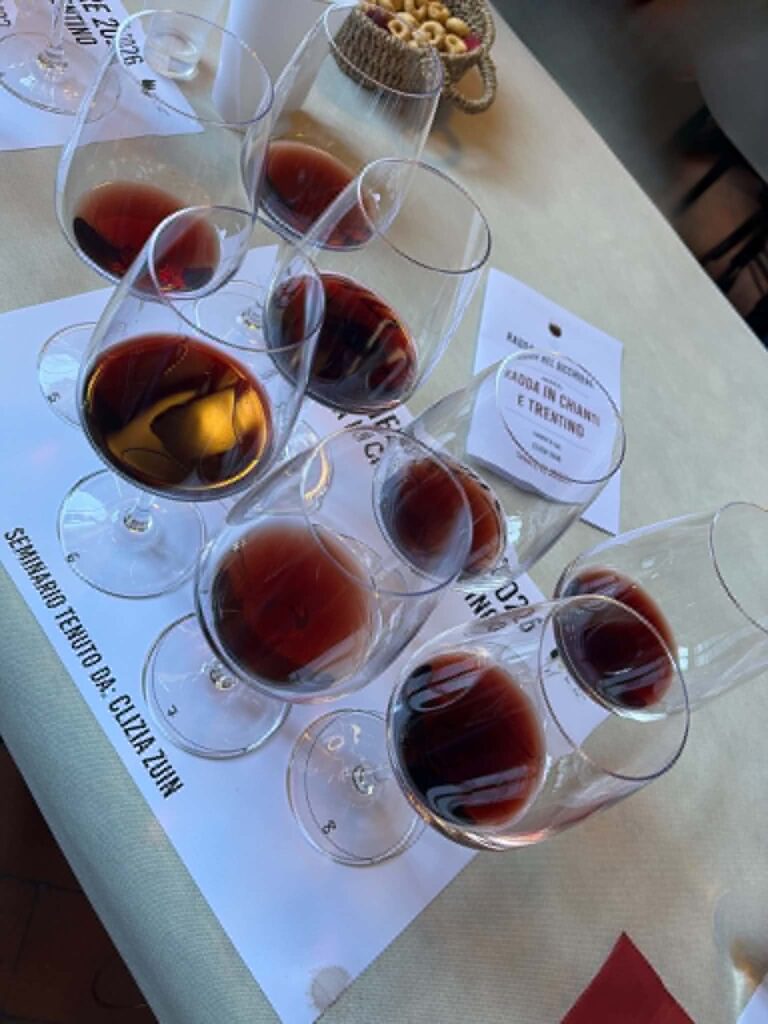
Podestà of the city hall was structured as a sensory labyrinth, where every numbered glass on the table corresponded precisely to the slides
projected in the room. This is where the invisible thread connecting the rigidity of stone to the profound emotion of each sip was revealed by
Clizia Zuin.
The “Kardashian of Sciences”: the immediacy of the earth
In order to bring levity to a seemingly austere topic, Clizia Zuin offered a pop-culture provocation: “Geology is the Kardashian of the
sciences.” Beneath the irony lies a profound truth: it is a blatantly visible and immediate subject, with macro-evidence plain for all to see.
There is no need to invent anything new; One need only observe what is already there to transform it into a formidable tool for enological
interpretation.
The Radda in Chianti puzzle: the four souls of the terroir
We encounter the true heart of the land in Radda—a geological mosaic described as a veritable “puzzle of soils and altitudes,” where ancient
sandy seafloor has transformed into something extraordinary:
Galestro: Calcareous clay. It combines the strength and water-retention properties of clay with the ideal environment provided by limestone.
Macigno: Pure sandstone. Sand compacted over millennia by the weight of the overlying sea.
Alberese: Marly limestone. A stone that tends to crumble easily, typical of areas where waters once receded.
Sillano Formation: A primordial marine chaos—a jumbled mix of many different soil types.
The character of Sangiovese: the chameleon of the land
Geology also allows us to draw a parallel with the king of Tuscan grape varieties: Sangiovese is like that person who always manages to land on
their feet, one way or another. It possesses a magnetic personality yet radically transforms its character depending on where it takes root.
While in Radda it expresses itself through the sharp verticality typical of Chianti soils, a move to Modigliana in the Romagna Apennine Mountains
reveals a Sangiovese of a completely different nature, one capable of winning over devoted “disciples” among sommeliers thanks to an expression that is vastly different, yet equally profound.
Why geology is an economic factor (The 2016 Vintage)
Understanding the soil is not merely an aesthetic indulgence; it is an economic necessity. A mistake made during excavation or soil analysis
prior to planting condemns the vineyard to struggle and the winegrower to lose hundreds of thousands of euros.
The land is unforgiving, yet it knows how to reward the winegrower. When the climate aligns perfectly, as it did in 2016, the vintage was
unanimously hailed as “splendid and ideal.” Data from Assoenologi confirms that 2016 saw extraordinary climatic similarities between
Central and Northern Italy. Despite some spring frosts that slightly reduced volumes compared to 2015, the quality in the glass was so
exceptional that it made everyone say: “I would love to have a vintage like this for at least three years in a row.”
TRENTINO: Maritime and Mountain Elegance
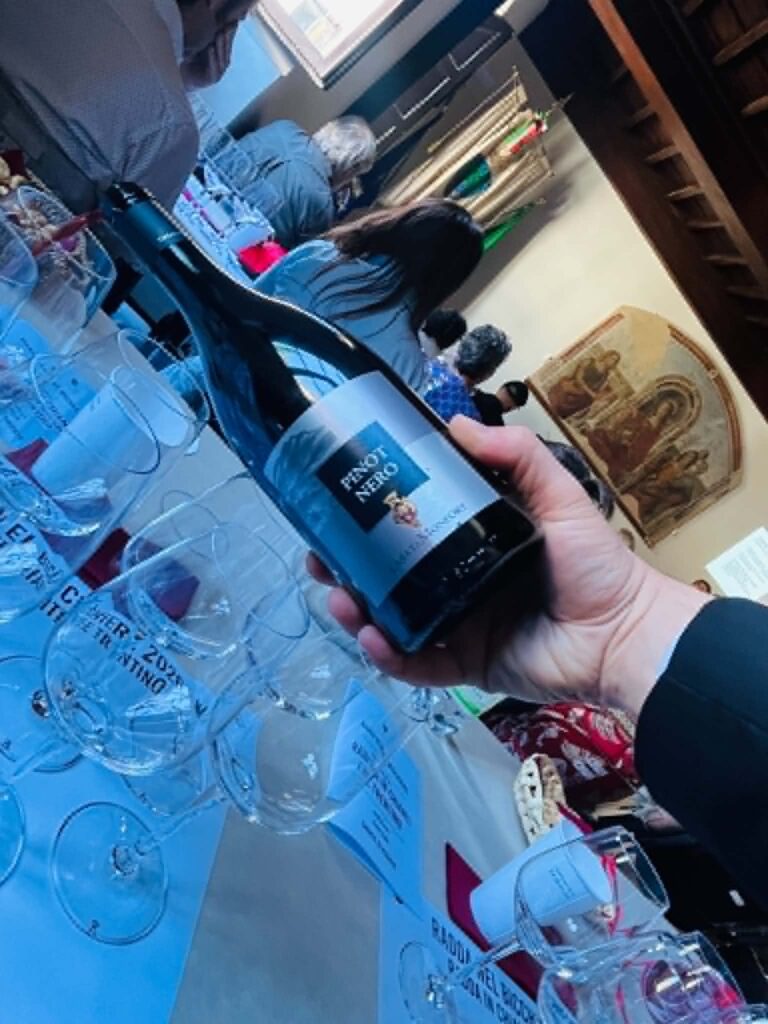
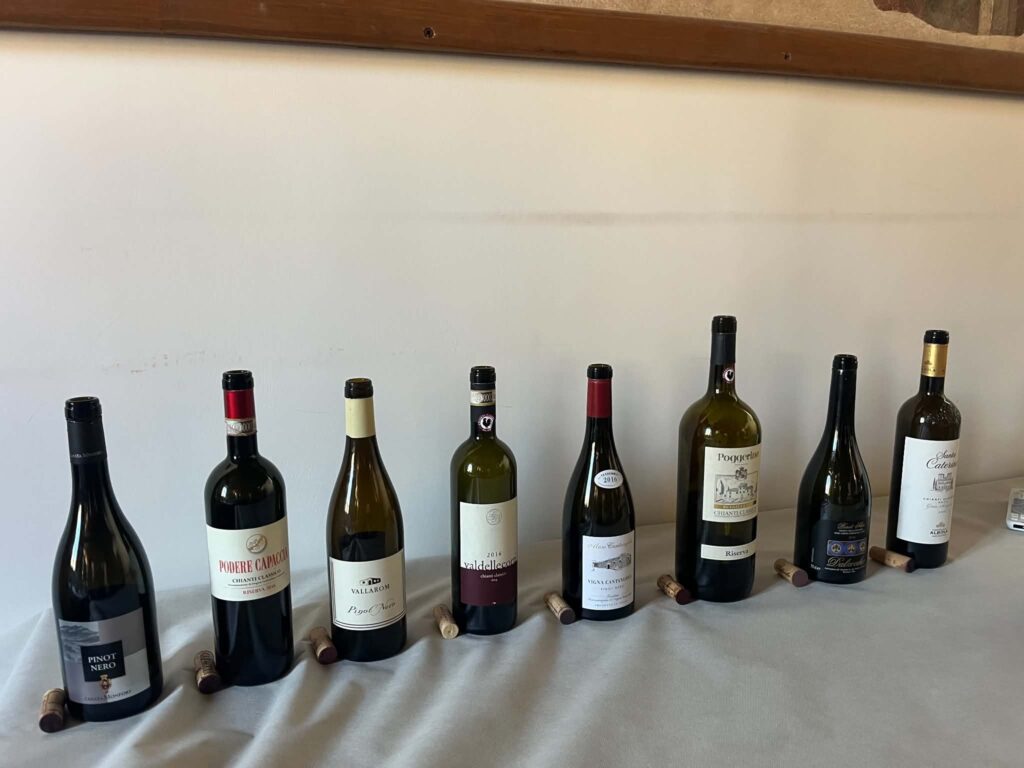
Cantine Monfort – Pinot Nero Trentino DOC 2017
A vibrant color typical of Pinot Nero in a stage of evolution, with a garnet rim. Intense notes of small red fruits, reminiscent of fruit
preserved in spirits with the balsamic freshness of dried mint. Time has refined and softened the tannins. On the palate, the focus is not on
power but on a pleasant and relaxed character with a silky, enveloping texture.
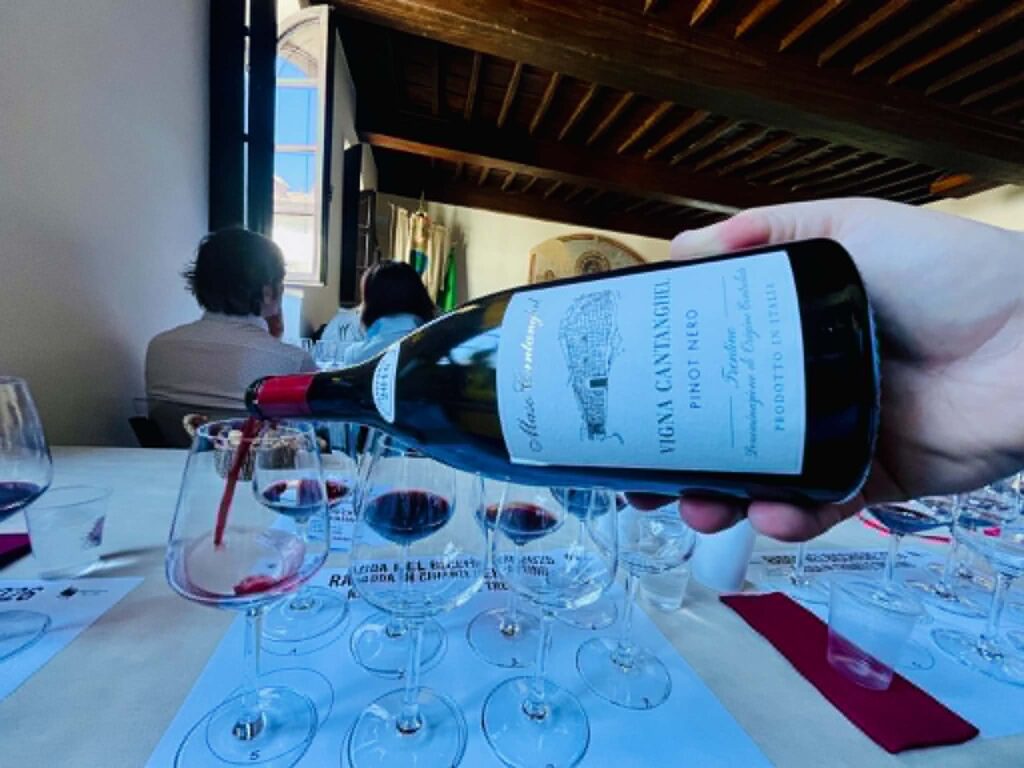
Maso Cantanghel – Pinot Nero Trentino DOC 2016
A high-altitude Pinot Nero of great stylistic precision, crafted to highlight the identity of a single vineyard through freshness and
mountain elegance.
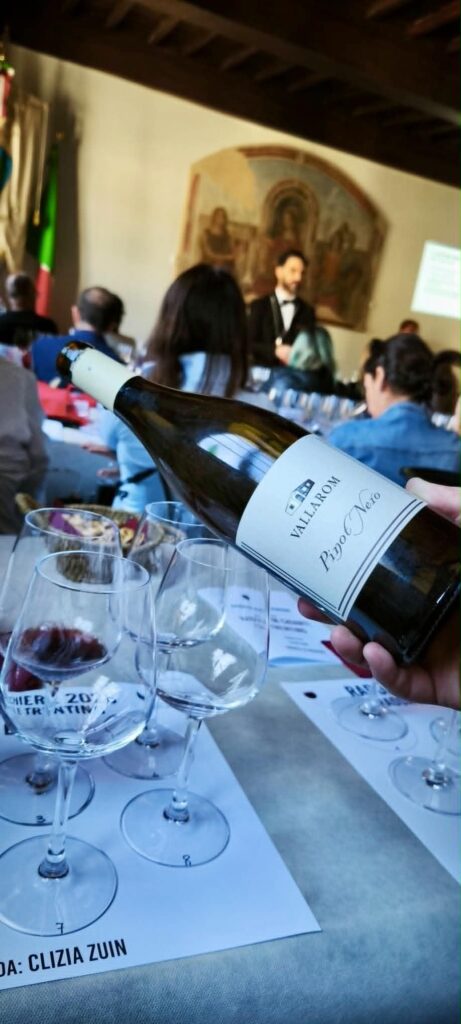
Vallarom – Pinot Nero Trentino DOC 2016
A single-vineyard cru situated at an altitude of 500 meters. The aroma is dominated by a deep, brooding complexity of medicinal herbs, rhubarb,
and fever tree alongside a distinct mineral note of graphite and tar. On the palate, it displays tenacious, authentic yet elegant tannins, with
exceptional grip and a taut acidity that promises monumental aging potential (up to 10 years).
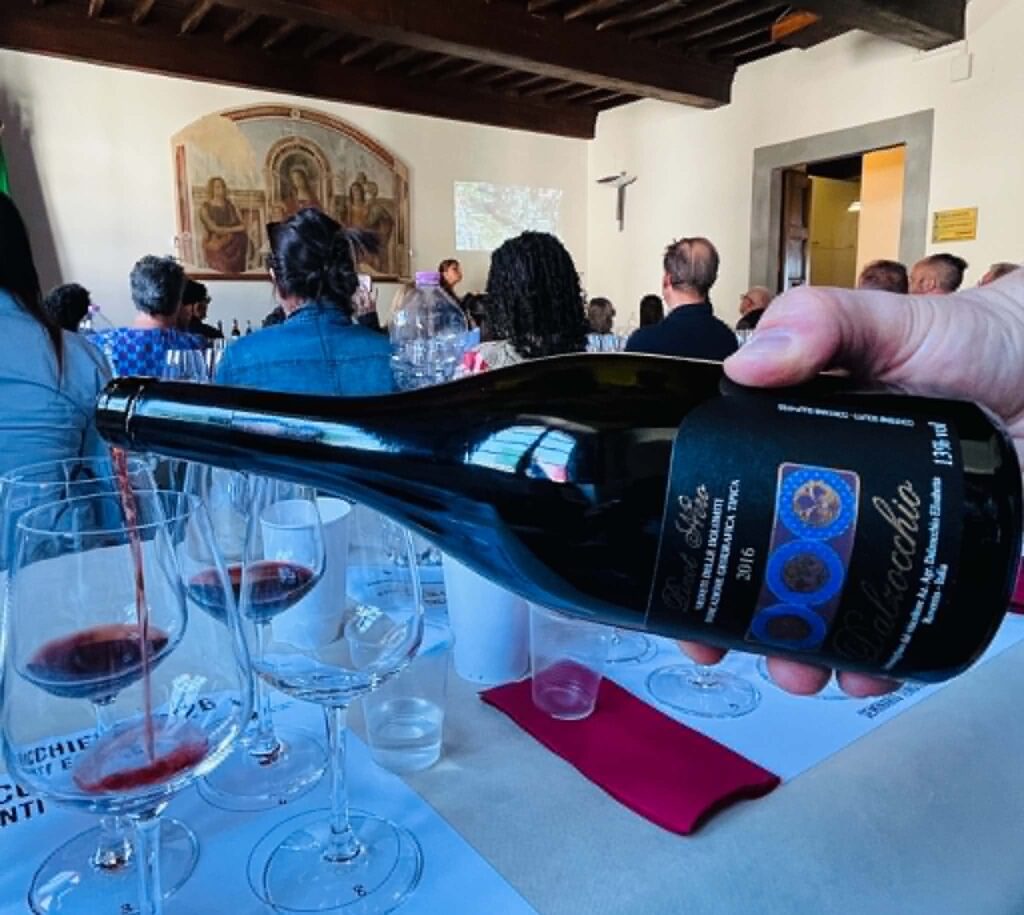
Elisabetta Dalzocchio – Pinot Nero 2016
The nose opens like a kaleidoscope of fresh small red fruits and just-ripened berries, herbaceous notes of cut grass and wet leaves, and
a deep undertone of humus and a summer forest after the rain. The palate offers extraordinary juiciness, supported by well-integrated tannins
with a vegetal character and the balsamic freshness of eucalyptus.
RADDA IN CHIANTI: The Verticality of Sangiovese
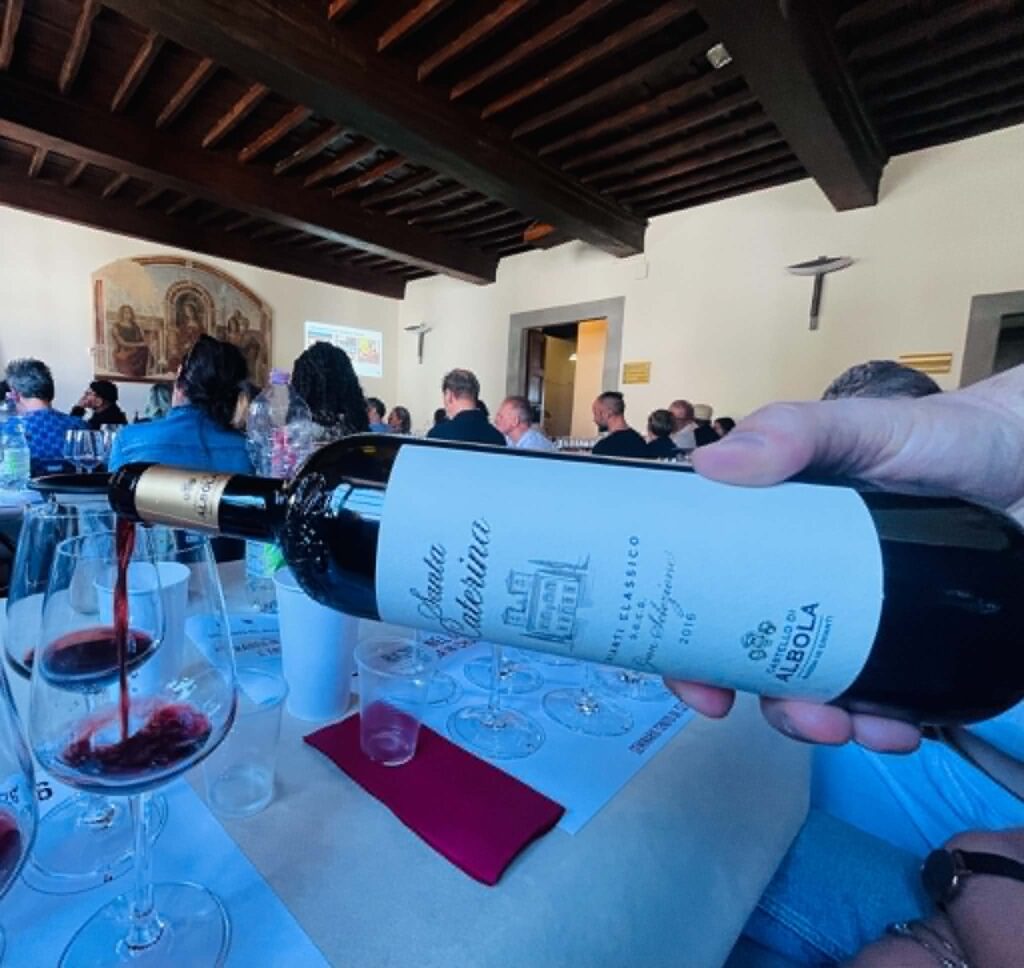
Castello di Albola – Chianti Classico DOCG 2016
A markedly dark, brooding color (set by starting malolactic fermentation immediately after alcoholic fermentation to protect the wine from
bacteria). A deep, earthy nose featuring Mediterranean chaparral, soil, myrtle, and ripe Marasca cherry (almost black cherry). On the palate, it
displays impressive concentration of dark fruit, underpinned by a perfect balance between dense tannins, stinging acidity, and the
freshness derived from high altitude.
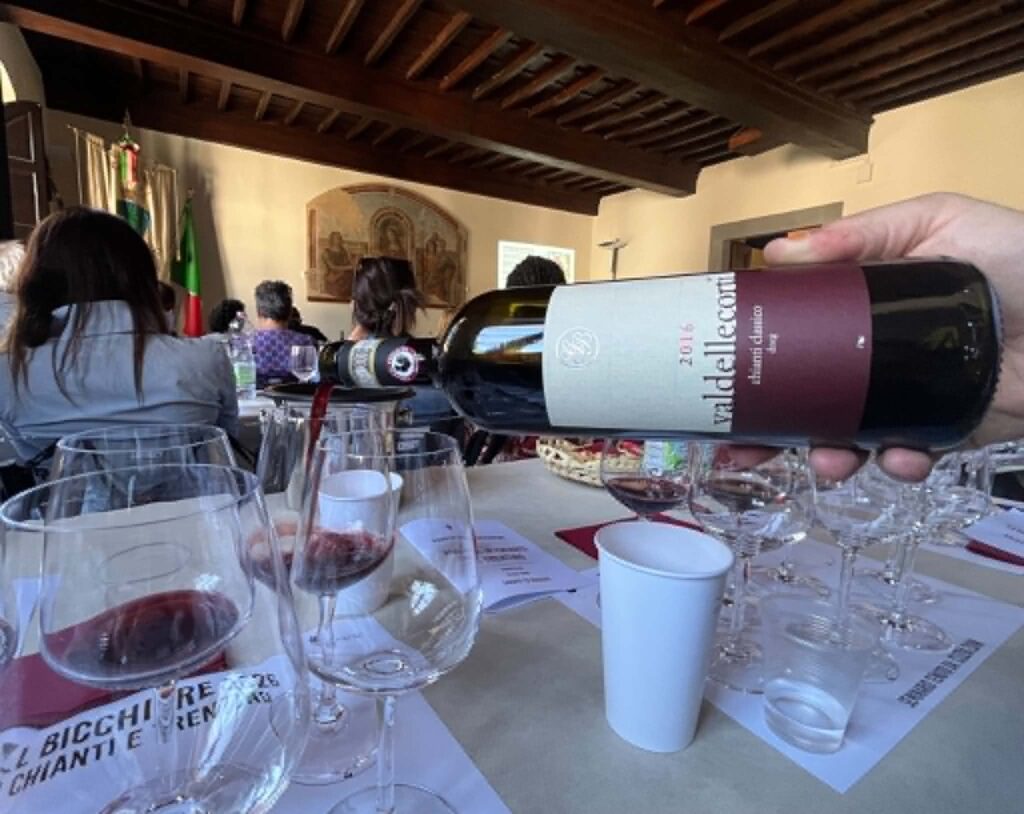
Val delle Corti – Chianti Classico DOCG 2016
A wine characterized by a sunny, exuberant profile and immense charm and finesse. Floral aromas of slightly withered red roses stand out,
alongside a beautiful blood orange citrus note that extends to the palate, delivering a juicy, dynamic sip with intrinsic elegance.
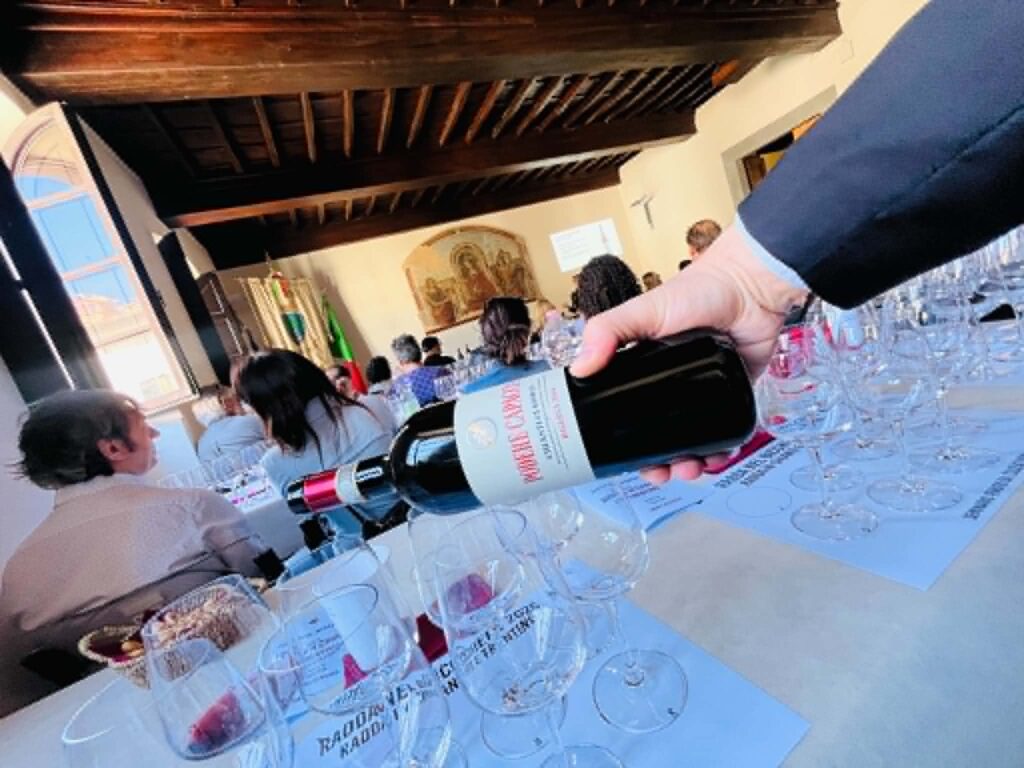
Podere Capaccia – Chianti Classico DOCG 2016
A vertical and chameleon-like Sangiovese, where the rigidity of the stone translates into a sharp, taut sip, possessing great finesse and a
lively, responsive elegance.
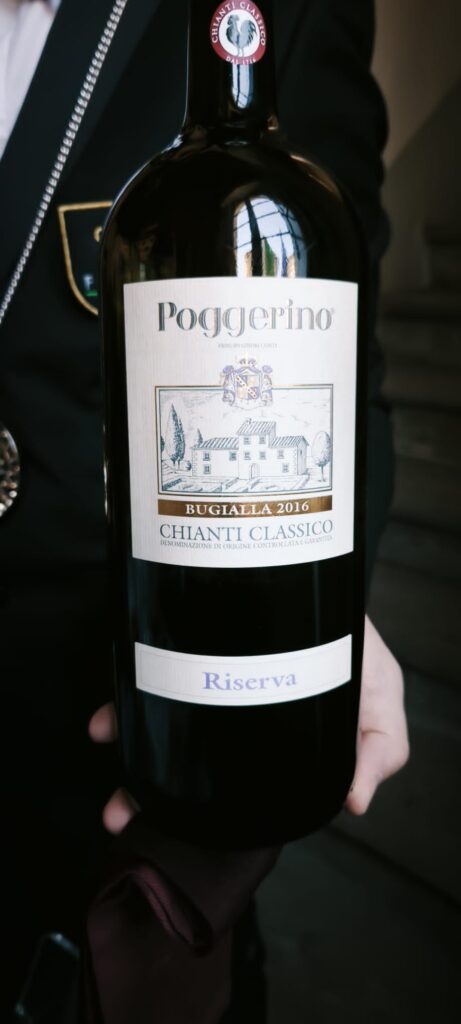
Poggerino – Chianti Classico Riserva “Vigna Bugialla” 2016
A Sangiovese of extraordinary breadth and polyphenolic extraction. Extended skin contact extracts deep yet incredibly velvety tannins,
supported by the vibrant acidity typical of Radda’s soils, with notes of earthiness and concentrated small black fruits.
Conclusions: Radda’s Profound Lesson in the Glass
What do we take away from this sensory journey guided by Clizia Zuin? Above all, an awareness that terroir is not a static concept, but a
dynamic force. Trentino demonstrated how the pinpoint precision of Pinot Noir can only be achieved through a meticulous study of wind patterns, mountain altitudes, and that sedimentary “limestone bank” which yields wines that are silky yet razor-sharp. Radda in Chianti reaffirmed the supremacy of its verticality, defined by marl and clay, where Sangiovese shuns crowd-pleasing softness by drawing sustenance from the rugged soil to
become a chameleon capable of withstanding the test of time.
In the end, geology triumphed over marketing. While it is true that wine is crafted by human hands in the cellar, the profound character was
formed millions of years earlier, amidst the silence and stubbornness of the rock.
That is how the Radda vs. Trentino wine geology showdown unfolded; who knows who will take the stage in 2027 for the 30th-anniversary edition of Radda nel Bicchiere! We look forward to seeing you in Radda in Chianti on May 22 and 23, 2027.
Sorry, the comment form is closed at this time.